
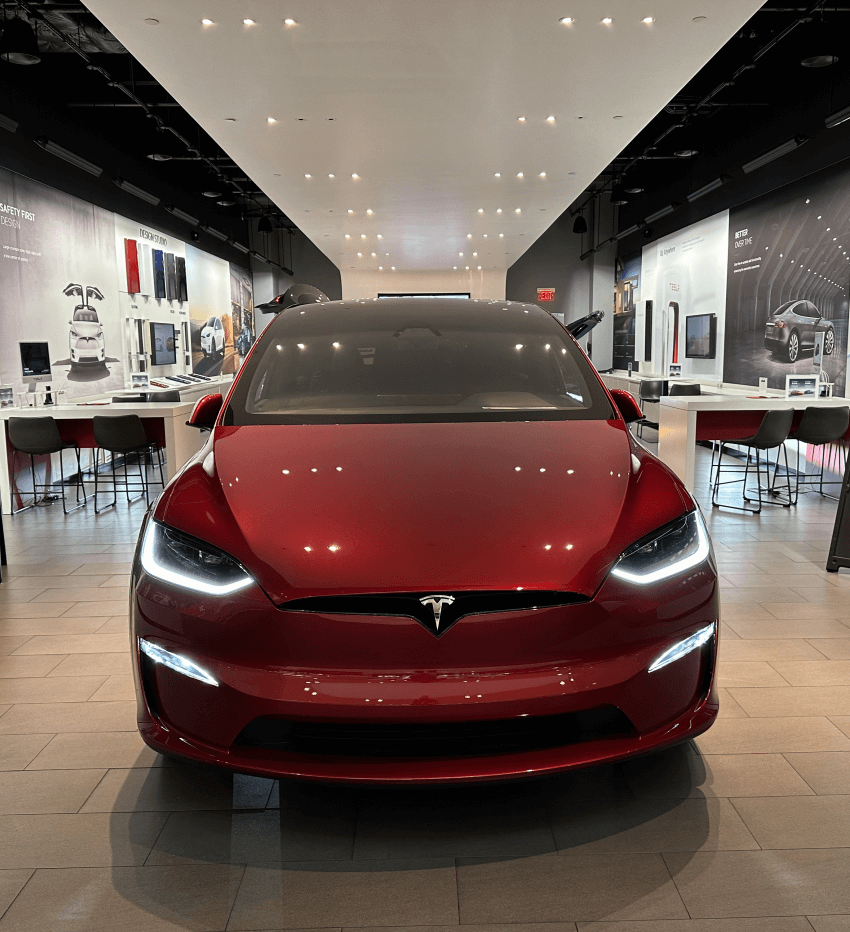
California regulators have moved to suspend legal action that could have resulted in a sales ban for Tesla vehicles in the state, following the company’s decision to revise marketing language related to its driver assistance technology.
The dispute centered on the use of the term “Autopilot” in promotional materials for vehicles manufactured by Tesla. State officials argued that the terminology could mislead consumers into believing the vehicles were fully autonomous, when in fact the system requires active driver supervision at all times.
The action was initiated by the California Department of Motor Vehicles, which filed a complaint alleging that certain descriptions overstated the capabilities of Tesla’s advanced driver assistance systems. Regulators sought remedies that included potential suspension of Tesla’s license to manufacture and sell vehicles in California, one of the company’s largest and most strategically important markets.
Rather than escalate the dispute through prolonged litigation, Tesla opted to revise its website language and promotional materials. Updated descriptions now more explicitly emphasize that drivers must remain attentive and ready to take control of the vehicle while features such as Autopilot and Full Self-Driving are engaged.
In filings reviewed by state authorities, Tesla affirmed that its vehicles are not autonomous and clarified that current systems are classified as Level 2 driver assistance under industry standards. Under this classification, the vehicle can assist with steering and acceleration, but the human driver retains full responsibility for monitoring the driving environment.
The regulatory scrutiny reflects broader national and international attention on automated driving technology. Policymakers have increasingly focused on whether terminology such as “self-driving” or “autonomous” may contribute to consumer misunderstanding, particularly as advanced features become more widely available in mass market vehicles.
Tesla has consistently maintained that its marketing materials include disclosures stating that driver supervision is required. The company has also stated that it regularly updates its software and user guidance to reflect evolving regulatory expectations.
California remains a critical market for electric vehicle adoption and technological innovation. The state has historically played a leading role in shaping environmental and automotive standards across the United States. A suspension of Tesla’s sales license would have represented a significant development for both the company and the broader electric vehicle sector.
Industry analysts note that the resolution underscores a growing regulatory emphasis on precision in technology marketing. As automakers compete to differentiate through advanced driver assistance systems, clear communication regarding capabilities and limitations is becoming central to compliance and consumer trust.
While the case has been paused following Tesla’s revisions, regulators retain oversight authority and may revisit enforcement actions if future marketing practices are deemed inconsistent with state standards.
For now, Tesla continues operations in California without interruption, preserving its position in the nation’s largest electric vehicle market while navigating an increasingly defined regulatory framework for automated driving technology.
From breaking news to thought-provoking opinion pieces, our newsletter keeps you informed & engaged.




Lorem ipsum dolor sit amet, consectetur adipiscing elit. Suspendisse varius enim in eros elementum tristique. Duis cursus, mi quis viverra ornare, eros dolor interdum nulla, ut commodo diam libero vitae erat. Aenean faucibus nibh et justo cursus id rutrum lorem imperdiet. Nunc ut sem vitae risus tristique posuere.