
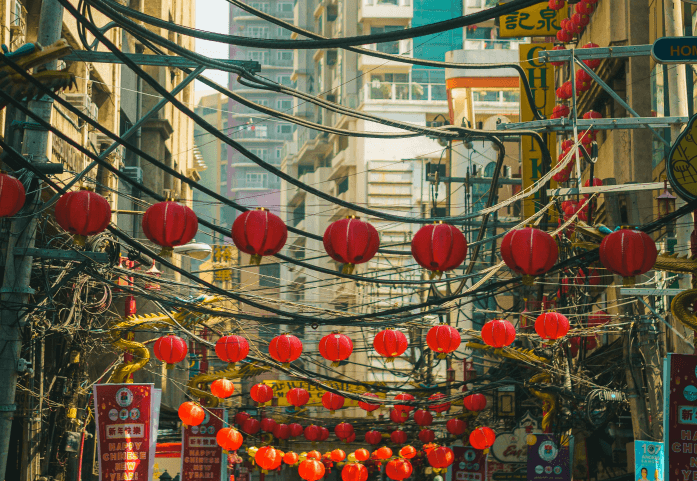
Chinese New Year—also known as the Lunar New Year—is the most significant annual holiday in mainland China and parts of East and Southeast Asia. While the official public holiday typically lasts one week, the impact on manufacturing and logistics often extends for several weeks as factories shut down, workers travel home, and freight capacity tightens.
For businesses reliant on Asian production networks, the holiday has become a predictable disruption that requires advance planning rather than reactive response.
Source: Industry estimates from global trade platforms and logistics providers.
To mitigate the impact of shutdowns, companies often accelerate production schedules ahead of the holiday. Orders are placed earlier than usual, and inventory buffers are built to cover anticipated downtime.
While this approach increases short-term storage and financing costs, it reduces the risk of supply gaps during peak disruption periods.
Labor availability remains a key challenge following Chinese New Year. Although factories may officially reopen on schedule, staffing levels often take time to normalize as workers return gradually.
Some businesses plan for phased restarts, prioritizing essential production lines before resuming full operations. This approach helps stabilize output while accounting for labor constraints.
Shipping and logistics bottlenecks are a recurring feature of the Chinese New Year period. Reduced port activity, limited trucking capacity, and warehouse slowdowns can delay shipments even after factories resume operations.
To manage these risks, companies frequently secure freight bookings in advance or adjust shipping timelines to reflect reduced capacity.
Rather than treating Chinese New Year as an exceptional event, many businesses now integrate it into annual planning cycles. Procurement schedules, delivery commitments, and revenue forecasts are adjusted to reflect anticipated slowdowns.
As global supply chains remain sensitive to capacity constraints, the ability to plan around predictable disruptions such as Chinese New Year has become a core component of operational resilience.
From breaking news to thought-provoking opinion pieces, our newsletter keeps you informed & engaged.






Lorem ipsum dolor sit amet, consectetur adipiscing elit. Suspendisse varius enim in eros elementum tristique. Duis cursus, mi quis viverra ornare, eros dolor interdum nulla, ut commodo diam libero vitae erat. Aenean faucibus nibh et justo cursus id rutrum lorem imperdiet. Nunc ut sem vitae risus tristique posuere.