
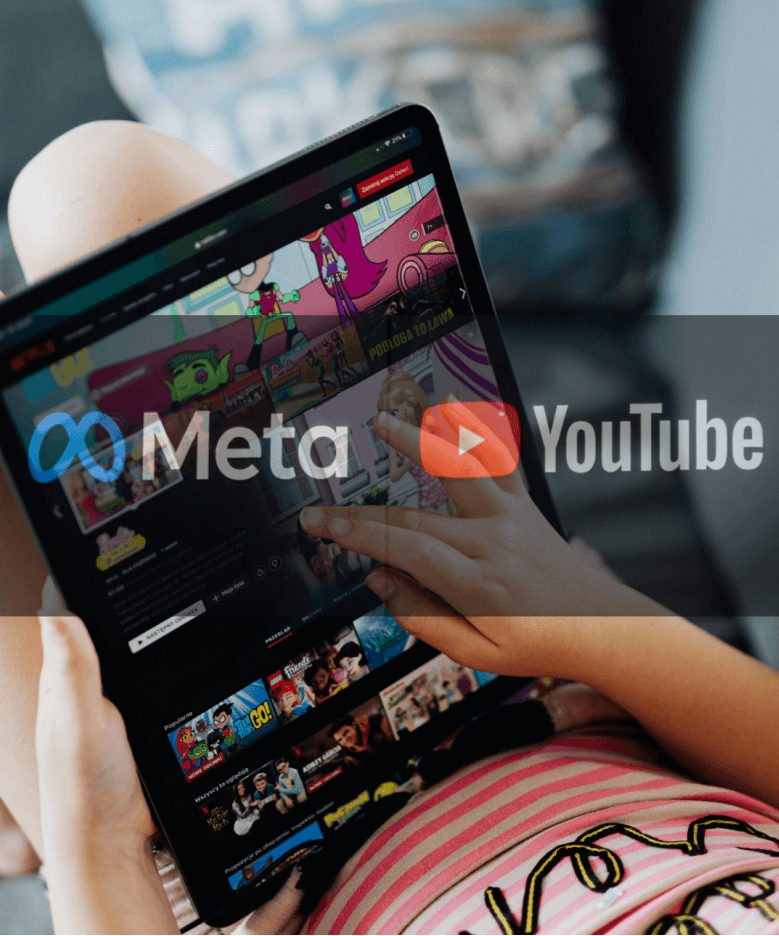
LOS ANGELES — A California jury has delivered a landmark ruling against Meta and YouTube, concluding that both companies are liable for harm caused to a young user through the design of their platforms, in what legal experts describe as a pivotal moment for the technology sector.
The verdict, issued in Los Angeles Superior Court, found that the companies negligently engineered features that contributed to compulsive use among minors, ultimately resulting in measurable psychological harm to the plaintiff. Jurors awarded a total of $6 million in damages, assigning approximately 70% of the liability to Meta and the remainder to YouTube.
The case is widely regarded as the first of its kind to reach a jury verdict, marking a significant development in ongoing legal challenges against major social media platforms over their impact on young users.
During the six-week trial, jurors heard testimony from company executives, mental health experts, and the plaintiff, a now 20-year-old woman identified in court filings as K.G.M. She testified that she began using YouTube at age six and Instagram—owned by Meta—at age nine, developing patterns of compulsive use that she linked to depression, anxiety, and other mental health conditions.
Legal arguments centered on whether platform features—such as infinite scrolling, autoplay functions, and algorithm-driven content recommendations—were intentionally designed to maximize user engagement at the expense of user well-being. Plaintiffs argued that these mechanisms effectively “engineered addiction,” particularly among children and adolescents.
Jurors ultimately concluded that both companies failed to provide adequate warnings about potential risks and that their design choices were a substantial factor in causing harm.
Both Meta and YouTube have rejected the verdict and signaled plans to appeal. In statements following the decision, company representatives argued that the ruling mischaracterizes their platforms and oversimplifies the complex factors influencing youth mental health.
The decision comes amid a broader wave of litigation against social media companies, with hundreds of similar cases filed by families, school districts, and government entities across the United States. Legal analysts suggest this ruling could serve as a bellwether, influencing how courts assess liability in future cases involving digital platforms and user harm.
The case has drawn comparisons to historic litigation against the tobacco industry, where companies were accused of knowingly producing addictive products while downplaying associated risks.
While appeals and additional trials are expected, the Los Angeles verdict represents a critical inflection point in the evolving regulatory and legal scrutiny of technology companies. It raises fundamental questions about platform design, corporate responsibility, and the extent to which digital products can—and should—be held accountable for their societal impact.
From breaking news to thought-provoking opinion pieces, our newsletter keeps you informed & engaged.






Lorem ipsum dolor sit amet, consectetur adipiscing elit. Suspendisse varius enim in eros elementum tristique. Duis cursus, mi quis viverra ornare, eros dolor interdum nulla, ut commodo diam libero vitae erat. Aenean faucibus nibh et justo cursus id rutrum lorem imperdiet. Nunc ut sem vitae risus tristique posuere.