
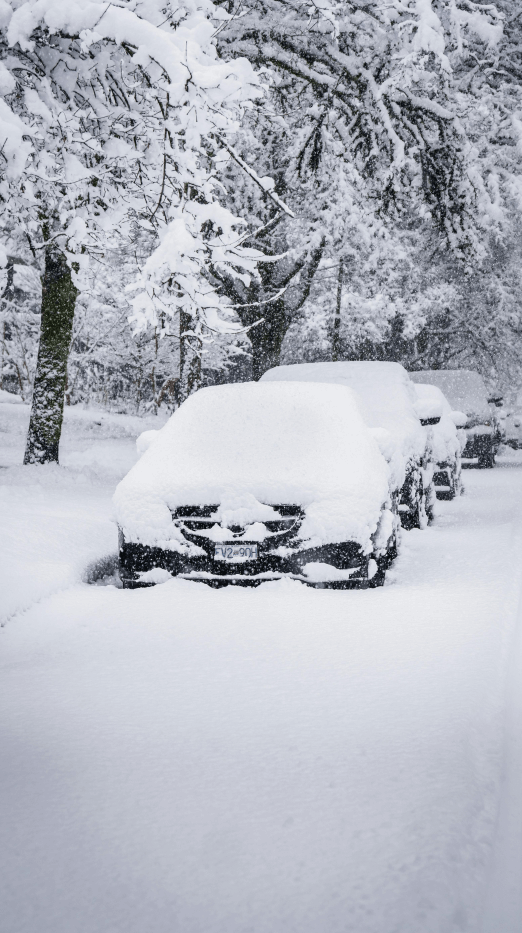
A sweeping winter storm has laid bare the vulnerabilities of the United States’ vast but tightly interconnected travel system, grounding thousands of flights, stranding passengers across major hubs and triggering cascading disruptions that stretched from air travel to power grids and public services.
Driven by an Arctic air mass and a slow-moving frontal system, the storm delivered a volatile mix of heavy snow, freezing rain and ice across large sections of the country. The result was one of the most severe nationwide travel disruptions in recent years, underscoring how extreme weather events continue to challenge modern transportation infrastructure.
The scale of the disruption was most visible in the skies. More than 11,000 U.S. flights were canceled within a 24-hour period, with thousands more delayed, according to industry flight-tracking data. Major airline hubs along the East Coast and Midwest experienced near-total shutdowns as aircraft, crews and ground operations were immobilised by snow-covered runways and deteriorating visibility.
Airports serving New York, Washington, Chicago and Boston were among the hardest hit, with cancellation rates exceeding 70 per cent at peak periods. The knock-on effect quickly spread nationwide as aircraft and crews were displaced, creating logistical bottlenecks far beyond the storm’s immediate footprint.
Major U.S. carriers issued system-wide travel waivers, allowing passengers to rebook without penalties. However, industry analysts warned that recovery would take several days as airlines worked to reposition fleets and comply with strict crew-rest regulations.
Unlike localized weather events, the storm’s breadth exposed the fragility of a highly optimised aviation network built for efficiency rather than resilience. Even airports outside the storm zone faced operational strain as inbound aircraft failed to arrive and aircraft rotations collapsed.
“This is not simply a weather story,” said one aviation analyst. “It is a systems story. When a storm hits multiple hubs at once, there is no easy workaround.”
Rail services and inter-state highways were similarly affected. Amtrak suspended or reduced service along several major corridors, while state transportation agencies urged motorists to avoid travel as ice and snow rendered roads impassable.
Beyond travel, the storm placed intense pressure on energy and emergency systems. Hundreds of thousands of households across the Southeast and Mid-Atlantic were left without power as ice accumulated on transmission lines and falling trees damaged infrastructure.
The National Weather Service issued widespread winter storm and ice warnings covering a population of more than 230 million people. Authorities in multiple states declared emergencies, activating National Guard units and opening warming centres as temperatures plunged well below seasonal norms.
Local governments faced difficult trade-offs as road treatment crews worked around the clock while emergency responders navigated hazardous conditions to reach stranded motorists and vulnerable residents.
The immediate economic cost of the disruption is expected to be significant. Airlines face millions of dollars in losses from canceled flights, crew overtime and displaced aircraft, while airports, hotels and tourism-dependent businesses confront sharp revenue declines.
Logistics experts also cautioned that freight and supply chains could experience short-term disruptions, particularly for time-sensitive shipments routed through affected hubs.
The storm adds to growing concerns within the transportation sector about climate volatility and the increasing frequency of high-impact weather events. Industry leaders have repeatedly warned that infrastructure investment has struggled to keep pace with changing environmental realities.
Meteorologists forecast that lingering cold air and additional precipitation could prolong disruptions into the coming days, even as the main storm system shifts eastward. Airlines and transport authorities have urged travellers to remain flexible and monitor official advisories.
As recovery operations continue, the storm is likely to prompt renewed debate over the resilience of U.S. transport infrastructure — and whether current systems are equipped to withstand the scale and frequency of extreme weather events increasingly shaping global mobility.
From breaking news to thought-provoking opinion pieces, our newsletter keeps you informed & engaged.





Lorem ipsum dolor sit amet, consectetur adipiscing elit. Suspendisse varius enim in eros elementum tristique. Duis cursus, mi quis viverra ornare, eros dolor interdum nulla, ut commodo diam libero vitae erat. Aenean faucibus nibh et justo cursus id rutrum lorem imperdiet. Nunc ut sem vitae risus tristique posuere.