
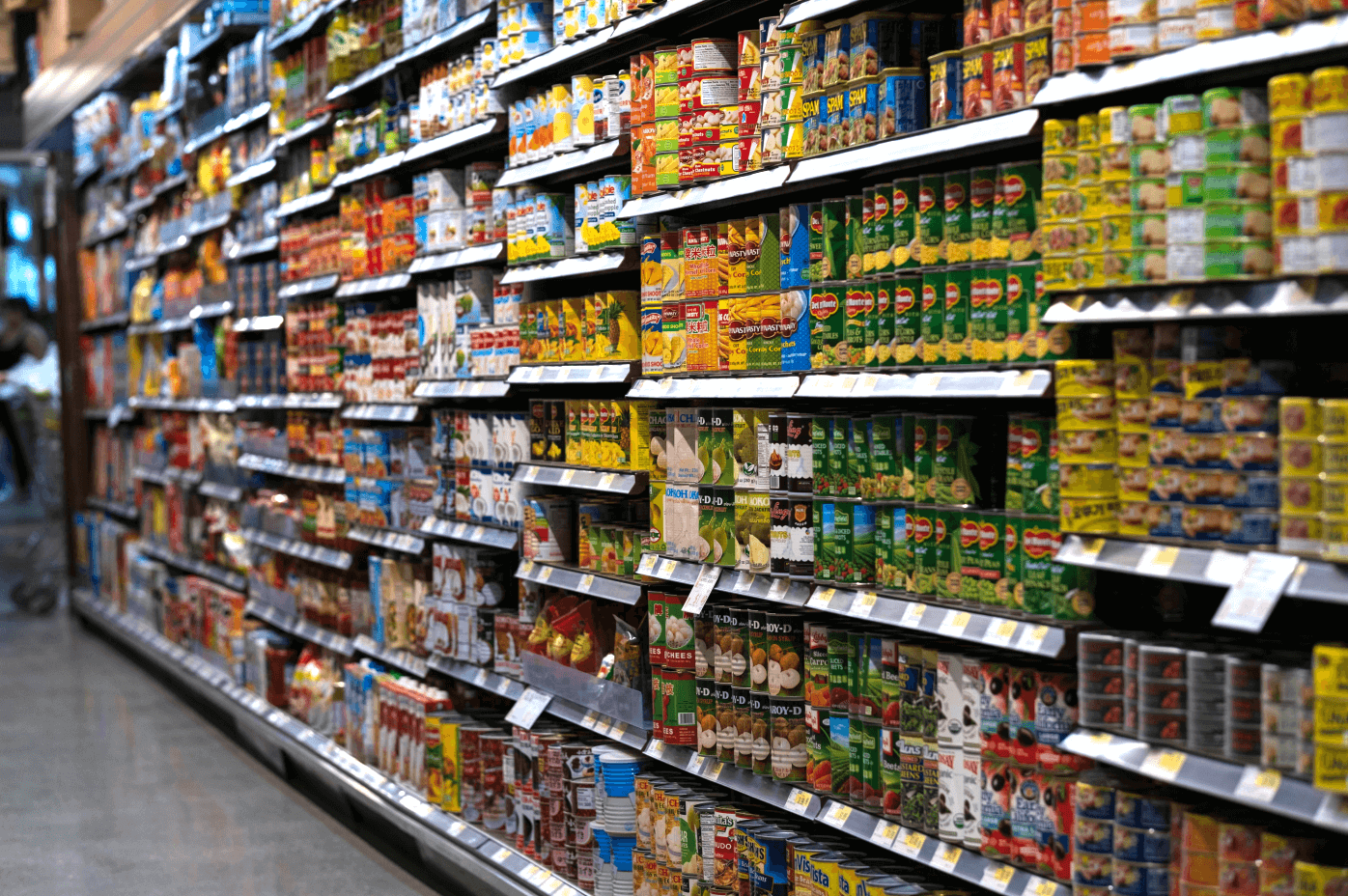
For decades, food preservatives have played a critical role in extending shelf life, maintaining appearance, and preventing bacterial contamination. Found in everything from packaged meats and baked goods to soft drinks and ready-to-eat meals, these chemical compounds are deeply embedded in global food supply chains.
However, a growing body of research is raising concerns that some commonly used preservatives may be linked to increased risks of cancer and type 2 diabetes, fueling debate among scientists, regulators, and public health experts worldwide.
Among the most closely examined preservatives are nitrates and nitrites, widely used in processed meats such as bacon, sausages, and deli products. When consumed, these compounds can convert into N-nitroso compounds, some of which have been classified as probable or possible carcinogens by international health agencies. Multiple observational studies have associated high intake of processed meats with elevated risks of colorectal and stomach cancers.
Another group drawing attention is artificial preservatives such as butylated hydroxyanisole (BHA) and butylated hydroxytoluene (BHT), commonly added to cereals, snack foods, and oils to prevent oxidation. Animal studies have shown that high doses may promote tumor development, prompting ongoing evaluation of their long-term effects on humans.
Potassium bromate, historically used to improve dough strength in baked goods, has also been linked to cancer in laboratory animals. While banned or heavily restricted in many countries, it remains permitted in limited use in others, including parts of Asia and North America.
Beyond cancer risk, researchers are increasingly examining how preservatives may influence metabolic health. Recent studies suggest that certain preservatives may disrupt gut microbiota, impair insulin sensitivity, or promote chronic inflammation — all recognized contributors to type 2 diabetes.
Preservatives such as sodium benzoate, commonly found in soft drinks and condiments, and emulsifier-preservative combinations used in ultra-processed foods have been associated in some studies with glucose intolerance and metabolic dysfunction. While these findings do not establish direct causation, they highlight potential pathways through which long-term exposure could contribute to rising diabetes rates globally.
Food safety authorities, including the World Health Organization and national regulatory agencies, maintain that approved preservatives are safe when consumed within established limits. These limits are based on toxicological testing and acceptable daily intake thresholds.
However, critics argue that current regulations may not fully account for cumulative exposure, dietary patterns dominated by ultra-processed foods, or long-term low-dose consumption, particularly among children and high-risk populations.
In response, some food manufacturers have begun reformulating products, replacing synthetic preservatives with so-called “clean label” alternatives such as vinegar extracts, rosemary compounds, and fermentation-derived acids. While these substitutes are often perceived as safer, experts caution that they too require rigorous evaluation.
The renewed focus on preservatives reflects a broader shift in public health thinking — one that places less emphasis on individual ingredients and more on overall dietary patterns. Studies consistently show that diets high in ultra-processed foods are associated with increased risks of cancer, obesity, cardiovascular disease, and type 2 diabetes, regardless of any single additive.
Health experts increasingly recommend minimizing reliance on heavily preserved foods and prioritizing fresh, minimally processed alternatives where possible.
While definitive conclusions about specific preservatives remain under investigation, the scientific momentum is clear. Researchers are calling for larger, long-term human studies to better understand how food additives interact with metabolism, genetics, and lifestyle factors.
As evidence evolves, regulators and food producers may face growing pressure to reassess long-standing assumptions about food preservation — not just in terms of safety, but in relation to chronic disease prevention.
For consumers, the issue underscores a familiar but increasingly urgent message: what preserves food may also shape long-term health outcomes.
From breaking news to thought-provoking opinion pieces, our newsletter keeps you informed & engaged.






Lorem ipsum dolor sit amet, consectetur adipiscing elit. Suspendisse varius enim in eros elementum tristique. Duis cursus, mi quis viverra ornare, eros dolor interdum nulla, ut commodo diam libero vitae erat. Aenean faucibus nibh et justo cursus id rutrum lorem imperdiet. Nunc ut sem vitae risus tristique posuere.