
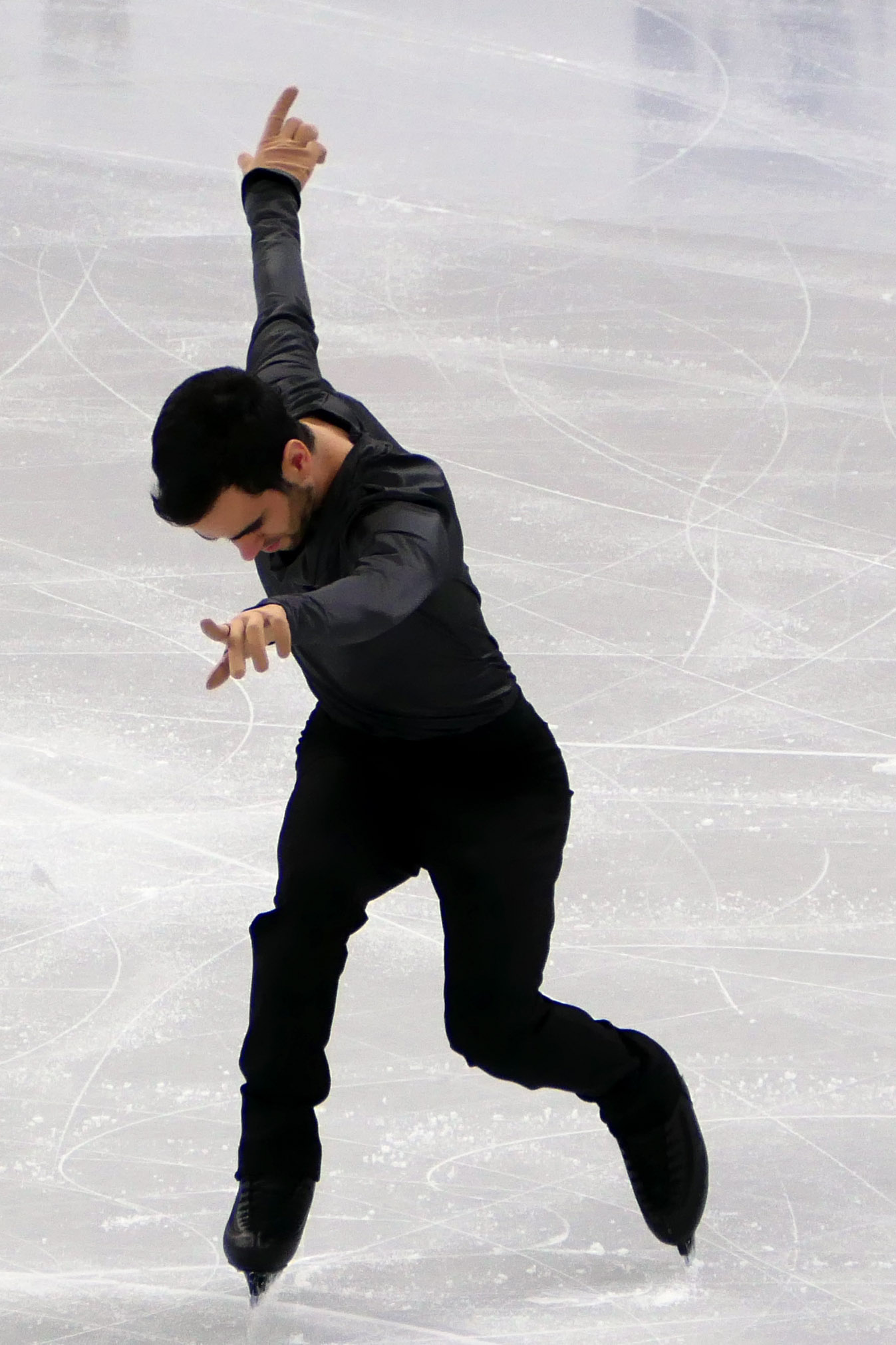
In an extraordinary turn of events just days before the opening of the 2026 Milano Cortina Winter Olympics, Spanish figure skating contender Tomàs-Llorenç Guarino Sabaté has been forced to abandon his carefully crafted short programme after a last-minute copyright dispute over the use of music from the Minions franchise. The decision — described by insiders as both baffling and avoidable — has plunged one of this season’s most talked-about routines into jeopardy, underscoring growing tensions between artistic sport and intellectual property law.
Guarino Sabaté, the six-time Spanish national champion set to make his Olympic debut in the men’s singles event next week, will now face a near-herculean task: revising or replacing the routine he has skated with all season under intense scrutiny and fanfare. The decision comes despite the athlete’s compliance with standard clearance procedures and months of competition without incident, including at the European Championships in Sheffield.
The programme in question — adored by audiences for its joyful and cleverly choreographed homage to the beloved Minions characters — featured Sabaté skating to a version of the track “Papaya (Vaya Papayas)”, which incorporates Minion-style vocals and whirling rhythms. Throughout the season, the routine garnered viral attention for both its technical precision and lighthearted theatricality, complemented by Sabaté’s costume nods to the animated characters’ signature look.
However, despite having submitted the music through the International Skating Union’s (ISU) recommended rights clearance process via the ClicknClear system last summer, officials informed him late last week that the track would not be permitted at the Olympics due to unresolved copyright issues. The governing body clarified that while it is aware of the situation, the specific legal grounds for the denial remain opaque, elevating concern among athletes about transparency in rights clearance.
“This was the routine I built all season — a performance that reflected not only my technical training but my personality,” Sabaté wrote in a social media statement. “Finding out so close to the biggest competition of my life was incredibly disappointing. Nevertheless, I will face this challenge head-on and do everything I can to make the best of the situation.”
The broader implications of this dispute extend far beyond one skater’s disappointment. Music licensing in figure skating has historically been complex, but recent years have seen an escalation in disputes, last-minute denials, and expensive rights negotiations, even for elite competitors. Canadian ice dancers and American pairs teams alike have previously encountered similar issues during international seasons — a trend that figure skating officials say demands systemic reform.
ISU Director-General Colin Smith has publicly acknowledged that the problem reflects structural inefficiencies in the music industry, citing the absence of a unified licensing platform that can satisfy both rights-holders and athletes’ competition needs. Smith has suggested that broader collaboration — involving major music publishers, the IOC, and artistic sports disciplines — could offer long-term solutions if pursued collectively.
Yet for Sabaté, the clock has already run perilously short. With the short programme scheduled for 10 February at the Milano Ice Skating Arena, any music change entails rapid adaptation of choreography, step sequence timing, and muscle memory — a daunting prospect even for an athlete of his calibre.
Despite the setback, Sabaté has affirmed his resolve to compete, expressing gratitude to fans who embraced his distinctive routine and promising to deliver performances worthy of their support. “I promise to step on the ice with everything I have,” he added.
As the Winter Olympics approach, the situation casts a spotlight on the intersection of sport, entertainment, and intellectual property — and raises pressing questions about how future athletes will balance artistic expression with the uncompromising realities of music rights in global competition.
From breaking news to thought-provoking opinion pieces, our newsletter keeps you informed & engaged.





Lorem ipsum dolor sit amet, consectetur adipiscing elit. Suspendisse varius enim in eros elementum tristique. Duis cursus, mi quis viverra ornare, eros dolor interdum nulla, ut commodo diam libero vitae erat. Aenean faucibus nibh et justo cursus id rutrum lorem imperdiet. Nunc ut sem vitae risus tristique posuere.