
Japan has cancelled a prominent cherry blossom festival near Mount Fuji after local authorities concluded that escalating visitor numbers and persistent misconduct were placing unsustainable pressure on residents and public safety. The decision has drawn national attention as communities across the country confront the challenges of overtourism during one of Japan’s most culturally significant seasons.
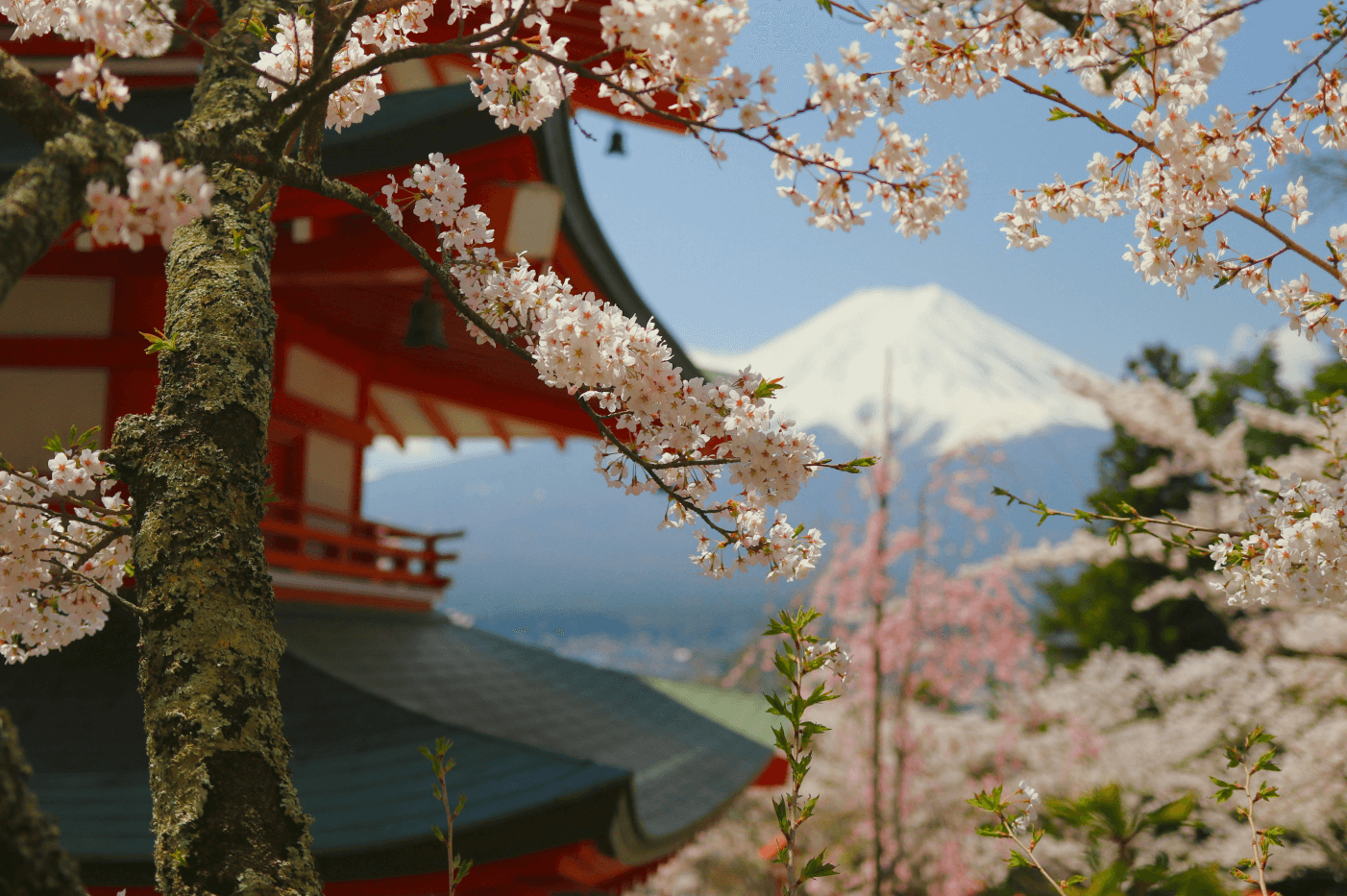
The cancellation affects the annual cherry blossom festival at Arakurayama Sengen Park, a hillside site in Fujiyoshida that offers panoramic views of Mount Fuji alongside rows of blooming sakura and the nearby Chureito Pagoda. The location has become one of the most recognisable images of springtime Japan, attracting large domestic and international crowds each year.
According to official briefings, the Fujiyoshida municipal government announced earlier this month that the festival would not be held this year following repeated complaints from residents and mounting safety concerns. Authorities pointed to chronic traffic congestion, residential streets being routinely blocked and a sustained increase in visitors trespassing on private property during the peak hanami season, the traditional Japanese custom of cherry blossom viewing that carries deep cultural and social meaning.
Local officials said that the narrow roads surrounding the park were frequently overwhelmed during previous blossom seasons, at times hindering emergency access and disrupting daily life for nearby households. Despite the introduction of crowd marshals, temporary barriers and additional facilities in recent years, the scale of visitor influx continued to outpace the city’s ability to manage it effectively.
Residents also reported a rise in disruptive behaviour, including littering and misuse of private land, as foot traffic spilled beyond designated viewing areas. Municipal leaders described the situation as increasingly difficult to control, prompting a reassessment of whether hosting a formal festival remained compatible with community wellbeing.
First introduced in the mid-2010s, the Arakurayama Sengen Park cherry blossom festival grew rapidly in popularity alongside the expansion of social media travel content and a surge in inbound tourism following Japan’s post-pandemic reopening. A weaker yen has further fuelled overseas arrivals, intensifying pressure on high-profile destinations such as Mount Fuji’s viewing points.
While local businesses acknowledged the economic impact of losing a flagship spring event, several neighbourhood associations publicly supported the decision. They argued that unchecked congestion risked eroding quality of life and damaging long-term relations between residents and visitors.
City officials stressed that cancelling the festival does not mean closing the park, noting that cherry blossoms will still bloom and attract visitors. Additional traffic controls, security patrols and sanitation measures are expected to be deployed during the upcoming season to mitigate disruption, even without an organised event.
The move places Fujiyoshida among a growing number of Japanese municipalities rethinking how iconic sites and seasonal traditions are managed. As visitor numbers continue to rise nationwide, authorities are increasingly balancing tourism promotion with sustainability and respect for local communities.
For Japan, the cancellation serves as a pointed reminder that hanami, while celebrated worldwide for its beauty, depends on careful stewardship. Preserving the tradition may now require firmer limits to ensure that the landscapes and neighbourhoods at its heart are not overwhelmed by their own popularity.
From breaking news to thought-provoking opinion pieces, our newsletter keeps you informed & engaged.






Lorem ipsum dolor sit amet, consectetur adipiscing elit. Suspendisse varius enim in eros elementum tristique. Duis cursus, mi quis viverra ornare, eros dolor interdum nulla, ut commodo diam libero vitae erat. Aenean faucibus nibh et justo cursus id rutrum lorem imperdiet. Nunc ut sem vitae risus tristique posuere.