
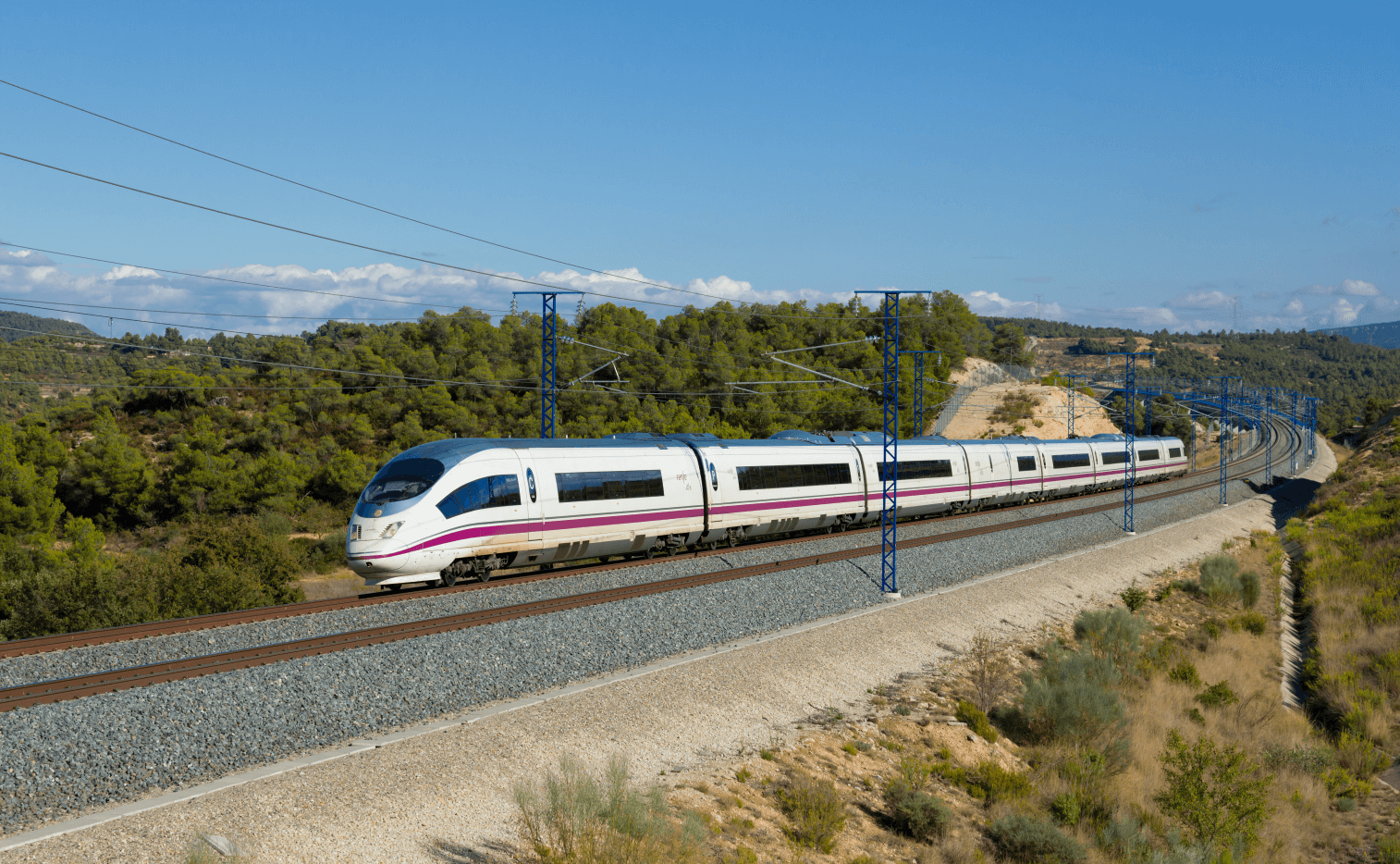
MADRID — A catastrophic high-speed rail collision near Adamuz in the province of Córdoba, southern Spain, on Sunday evening has left at least 39 people dead and dozens more injured, marking one of the deadliest rail disasters on the continent in recent years.
The accident occurred at approximately 7:45 p.m. local time on January 18, when an Iryo high-speed train en route from Málaga to Madrid derailed and crossed onto the opposite track, colliding head-on with a Renfe Alvia service travelling from Madrid to Huelva. Both trains were operating on Spain’s extensive high-speed network at the time.
Spanish authorities have described the crash as exceptionally unusual, particularly because it took place on a recently renovated straight stretch of track that had undergone significant upgrades. Early statements from Transport Minister Óscar Puente emphasized that there was no immediate evidence of human error, fueling both national shock and international concern.
According to official figures, around 400 passengers were on board the two trains. Rescue teams worked throughout the night amid challenging terrain to recover victims and assist the wounded, with at least 48 people still hospitalized and 12 in intensive care as emergency response continued into Monday.
Footage shared on social media showed bent carriages and rescue crews pulling survivors from wreckage amid floodlights, while eyewitness accounts described the impact as akin to an earthquake.
The tragedy has immediate implications for Spain’s high-speed rail operations — one of the country’s most prized assets and a backbone of both domestic mobility and international connectivity. Spain’s high-speed network, among the longest in the world, underpins significant business and tourism travel flows, and the disruption caused by this accident is expected to ripple through multiple sectors.
All high-speed services between Madrid and Andalusia were suspended in the wake of the crash, affecting travel plans for thousands and prompting logistical headaches for freight and passenger services alike. Rail congestion and cancellations will likely persist as infrastructure is inspected and recovered from the incident.
For logistics and supply chains that rely on the punctual delivery capabilities of Spain’s rail system, doubts about near-term reliability could impact market confidence. Businesses that depend on intercity rail — including tourism, hospitality, and regional commerce — are already bracing for economic fallout as passengers seek alternative transport. Analysts note that a crisis of confidence in rail safety could shift demand temporarily toward air and road travel, affecting revenue streams for Renfe, Iryo, and associated service providers.
Prime Minister Pedro Sánchez described the collision as “a night of deep pain for our country”, offering condolences to grieving families and pledging full governmental support to victims and an exhaustive investigation. Spain’s royal family and regional leaders also conveyed solidarity amid national mourning.
European Commission officials echoed concern, underscoring the broader significance of the accident for EU infrastructure safety standards. The crash, the deadliest in Spain since the 2013 Santiago de Compostela derailment — which claimed nearly 80 lives — has prompted urgent calls for transparency and rigorous review of rail safety protocols across the continent.
As emergency crews continue recovery operations and authorities advance their investigation, the high-stakes questions for the transport sector now center on why a modern train on a straight, upgraded section of track derailed, and what systemic failures — if any — contributed to this unprecedented collision.
For businesses and investors, the repercussions extend beyond immediate operational disruptions. Confidence in rail transport safety and infrastructure resilience is critical to economic planning, regional development, and cross-border trade in Europe. The unfolding inquiry and government responses will be closely watched by markets and policymakers alike in the days ahead.
From breaking news to thought-provoking opinion pieces, our newsletter keeps you informed & engaged.





Lorem ipsum dolor sit amet, consectetur adipiscing elit. Suspendisse varius enim in eros elementum tristique. Duis cursus, mi quis viverra ornare, eros dolor interdum nulla, ut commodo diam libero vitae erat. Aenean faucibus nibh et justo cursus id rutrum lorem imperdiet. Nunc ut sem vitae risus tristique posuere.