
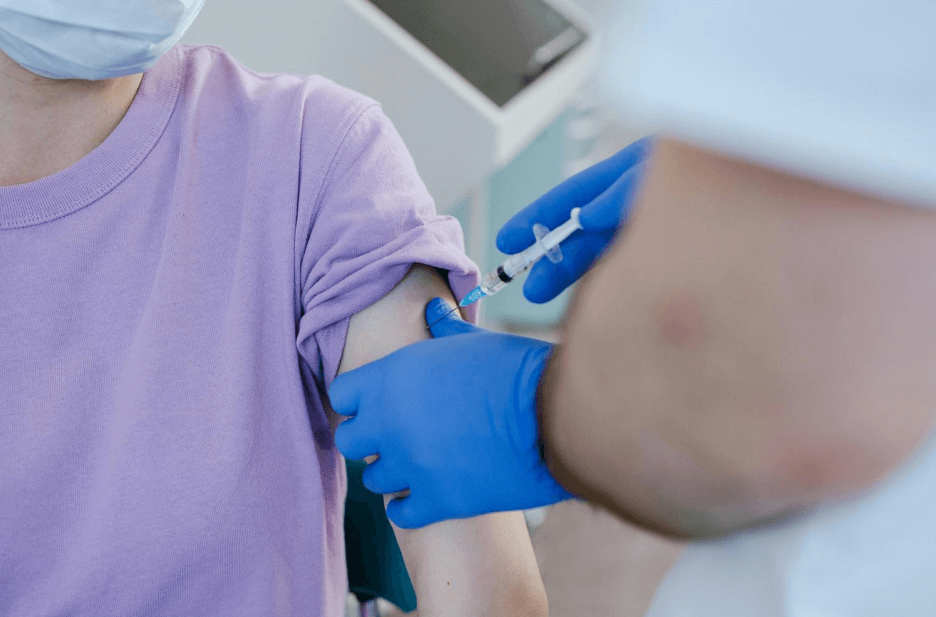
The United States is confronting one of the most significant measles resurgences in decades, with confirmed cases now approaching levels unseen since the early 1990s. Public health experts warn that falling vaccination coverage and the spread of misinformation have fueled a wave of outbreaks that threaten to erode decades of progress against one of the world’s most contagious diseases.
According to the Centers for Disease Control and Prevention (CDC), more than 1,900 confirmed measles cases have been reported nationwide in 2025, spanning over 40 states — a staggering increase compared with previous years. This surge marks the highest annual case count since measles was declared eliminated in the U.S. in 2000.
Several states are experiencing intense localized outbreaks:
These outbreaks are part of a broader national trend. At least 47 distinct measles outbreaks have been recorded in 2025, according to CDC data, and health officials are closely monitoring transmission dynamics as the year closes.
Measles, once declared eliminated in the United States in 2000 due to high community vaccination levels, has resurged to levels not seen in more than 30 years. Nationwide totals in 2025 have far surpassed the roughly 285 cases reported in 2024, with the current year’s counts already exceeding 2019 levels — the worst outbreak since measles elimination — as recorded by multiple tracking sources.
Health experts emphasize that this increase is not due to a change in the virus itself but rather declining vaccination coverage. National immunization surveys show that school-entry vaccination rates for measles–mumps–rubella (MMR) have fallen below the 95% threshold needed for herd immunity in many areas, leaving communities vulnerable to transmission.
Public health professionals point to several key contributors to the surge:
Measles is one of the most contagious viral diseases known to science, capable of infecting up to nine out of ten susceptible people exposed to an infected individual. It spreads through respiratory droplets and can linger in the air for up to two hours after an infected person has left a room.
Complications can be severe, particularly in young children and immunocompromised individuals. Hospitalization rates in recent outbreaks have ranged into the low double digits, and multiple deaths have already been attributed to measles in 2025.
Health authorities are urging increased vaccination efforts, emphasizing:
The CDC continues to update weekly measles figures and guidance for clinicians, schools, and families as the outbreak evolves.
From breaking news to thought-provoking opinion pieces, our newsletter keeps you informed & engaged.




Lorem ipsum dolor sit amet, consectetur adipiscing elit. Suspendisse varius enim in eros elementum tristique. Duis cursus, mi quis viverra ornare, eros dolor interdum nulla, ut commodo diam libero vitae erat. Aenean faucibus nibh et justo cursus id rutrum lorem imperdiet. Nunc ut sem vitae risus tristique posuere.