
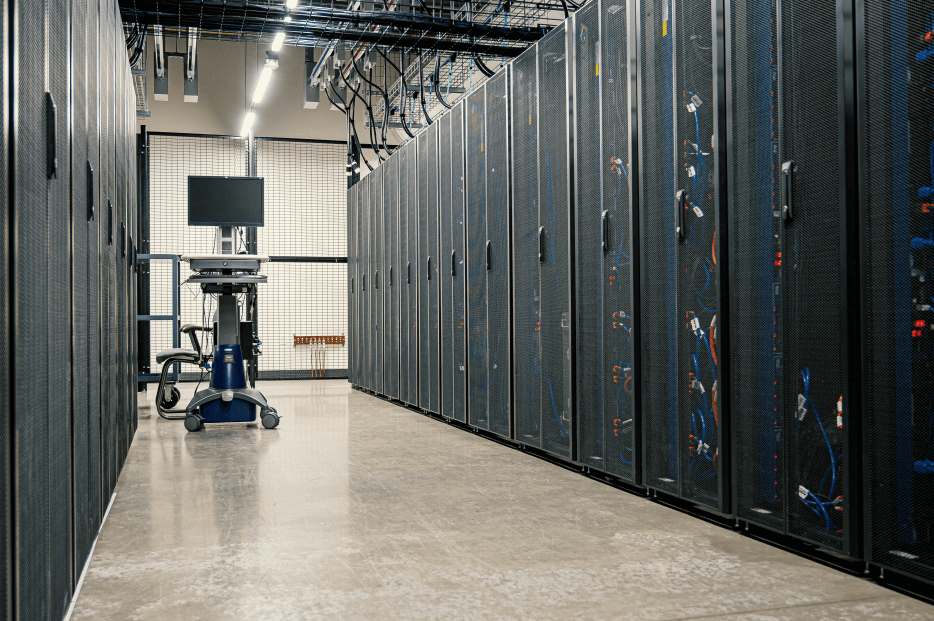
WASHINGTON, D.C. — A coalition of more than 200 environmental, climate, and community advocacy groups is calling on U.S. federal and state authorities to pause the rapid expansion of large-scale data centers, warning that unchecked growth threatens to undermine climate goals, overstress local power grids, and drain already-scarce water resources.
In a joint statement released this week, the coalition argued that the explosive rise of energy-intensive data infrastructure—largely driven by cloud computing, artificial intelligence, and cryptocurrency operations—has outpaced environmental oversight and public accountability. The groups are demanding a moratorium on new facilities until stricter sustainability standards, transparency requirements, and community protections are established.
Data centers, often perceived as abstract components of the digital economy, are increasingly concrete in their environmental footprint. According to industry and government estimates, U.S. data centers already account for roughly 2–4% of national electricity consumption, a figure expected to climb sharply as AI workloads and hyperscale computing expand.
Environmental advocates warn that many new facilities rely heavily on fossil-fuel-backed power grids, particularly in regions where renewable capacity lags behind demand. In water-stressed states such as Arizona, Texas, and parts of the Midwest, cooling systems for massive server farms are also drawing scrutiny for their intensive water use.
“These facilities are being approved at lightning speed, often with tax incentives and minimal environmental review,” the coalition stated. “Communities bear the cost—in pollution, water scarcity, and rising electricity prices—while corporate benefits are privatized.”
The current surge is being fueled not only by traditional cloud services, but by the rapid commercialization of artificial intelligence. Training and operating large language models and AI-driven platforms require enormous computational power, leading tech companies to race for land, energy contracts, and fast-track permits.
Critics argue that the AI boom has become a justification for sidestepping climate commitments, even as many of the same corporations publicly pledge net-zero emissions targets.
“AI is being framed as inevitable progress,” said one policy analyst aligned with the coalition. “But sustainability cannot be optional simply because demand is high.”
The coalition’s demands stop short of rejecting data centers outright. Instead, they call for a coordinated regulatory framework that includes:
Environmental groups emphasize that data infrastructure must align with broader climate and resilience strategies—not operate as an exception to them.
Technology companies and industry associations have pushed back, arguing that data centers are essential to national competitiveness, digital security, and economic growth. They also point to efficiency gains and investments in clean energy procurement.
Government officials now face a balancing act: sustaining America’s leadership in technology while responding to growing public concern about environmental tradeoffs.
States and municipalities have begun to diverge in approach. Some regions are tightening zoning and environmental rules, while others continue to court data center investments through tax breaks and expedited approvals.
For environmental groups, the current moment represents a turning point—where digital infrastructure must be treated with the same regulatory seriousness as heavy industry or energy production.
As climate pressures intensify, the debate over data centers highlights a broader reckoning: whether the foundations of the digital economy can evolve fast enough to meet ecological limits.
“The question is no longer whether data centers are necessary,” the coalition concluded. “It’s whether their growth can be made responsible, equitable, and compatible with a livable future.”
From breaking news to thought-provoking opinion pieces, our newsletter keeps you informed & engaged.






Lorem ipsum dolor sit amet, consectetur adipiscing elit. Suspendisse varius enim in eros elementum tristique. Duis cursus, mi quis viverra ornare, eros dolor interdum nulla, ut commodo diam libero vitae erat. Aenean faucibus nibh et justo cursus id rutrum lorem imperdiet. Nunc ut sem vitae risus tristique posuere.