
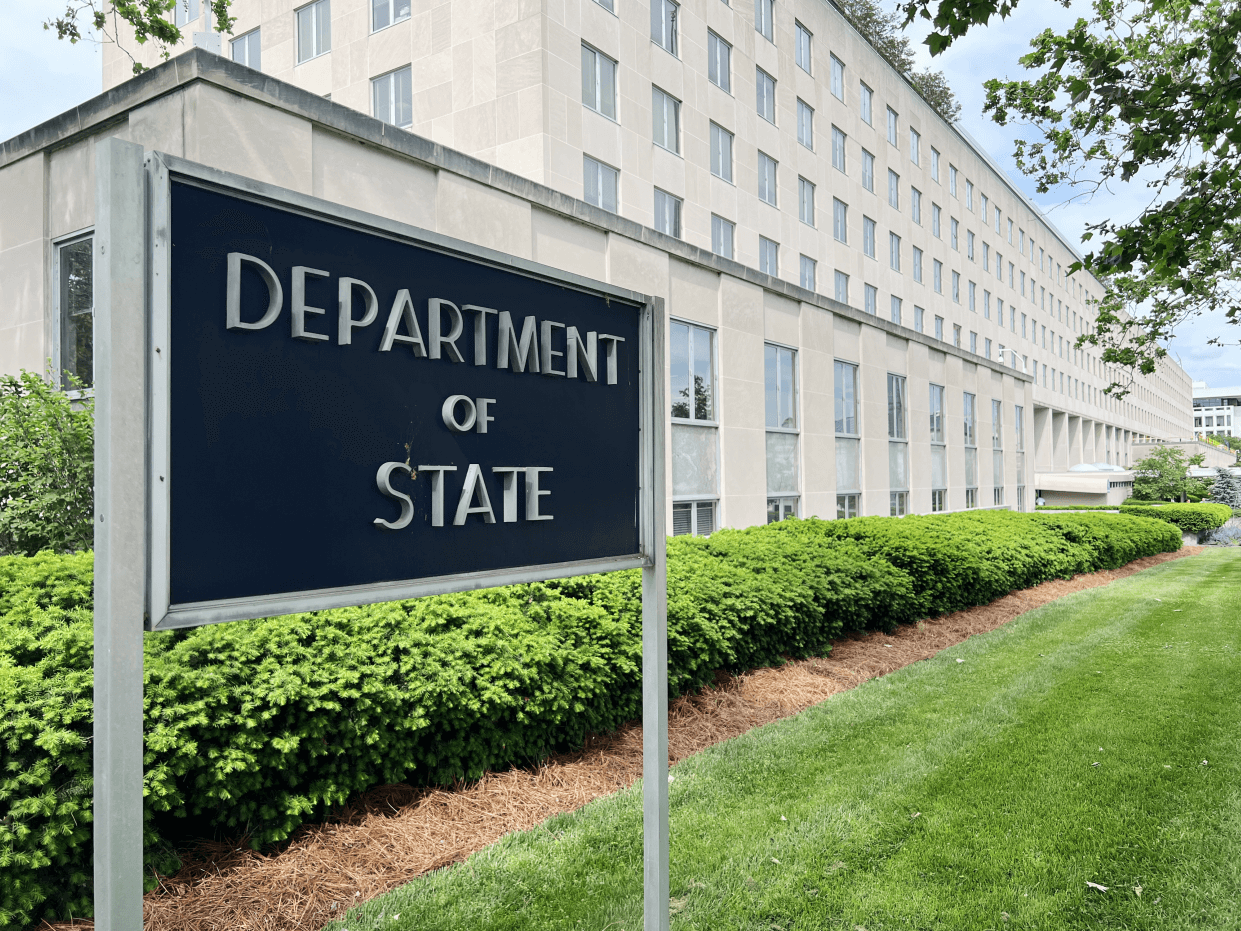
The United States has announced a sweeping suspension of immigrant visa processing for nationals of 75 countries, a significant escalation in immigration policy under the administration of Donald Trump. The directive, issued through the State Department, is set to take effect on January 21, 2026, and represents one of the most far-reaching constraints on legal immigration pathways implemented in decades.
Under the order, U.S. embassies and consulates worldwide have been instructed to halt the processing of immigrant visas — which grant permanent residency — for citizens of the listed countries. Temporary non-immigrant visas, including those for tourism, study, and short-term business travel, are not covered by the suspension.
Officials have framed the decision as part of a broader reassessment of immigration procedures, citing fiscal responsibility, public welfare protections, and national interest considerations. The administration argues that the pause will allow the State Department to strengthen enforcement of existing eligibility standards, particularly those related to financial self-sufficiency.
Senior officials have emphasized that the policy is rooted in long-standing immigration law provisions that permit the exclusion of applicants deemed likely to rely on public assistance. Exceptions may be granted on a limited basis for dual nationals, applicants with compelling humanitarian circumstances, or cases determined to serve U.S. national interests.
According to State Department guidance, the immigrant visa processing pause applies to nationals of the following 75 countries, spanning Africa, Asia, the Middle East, Latin America, the Caribbean, and Eastern Europe:
Afghanistan; Albania; Algeria; Antigua and Barbuda; Armenia; Azerbaijan; Bahamas; Bangladesh; Barbados; Belarus; Belize; Bhutan; Bosnia and Herzegovina; Brazil; Myanmar; Cambodia; Cameroon; Cape Verde; Colombia; Côte d’Ivoire; Cuba; Democratic Republic of the Congo; Dominica; Egypt; Eritrea; Ethiopia; Fiji; The Gambia; Georgia; Ghana; Grenada; Guatemala; Guinea; Haiti; Iran; Iraq; Jamaica; Jordan; Kazakhstan; Kosovo; Kuwait; Kyrgyzstan; Laos; Lebanon; Liberia; Libya; North Macedonia; Moldova; Mongolia; Montenegro; Morocco; Nepal; Nicaragua; Nigeria; Pakistan; Republic of the Congo; Russia; Rwanda; Saint Kitts and Nevis; Saint Lucia; Saint Vincent and the Grenadines; Senegal; Sierra Leone; Somalia; South Sudan; Sudan; Syria; Tanzania; Thailand; Togo; Tunisia; Uganda; Uruguay; Uzbekistan; Yemen.
The administration has not indicated a fixed timeline for the review process, leaving uncertainty over when — or if — visa processing will resume for affected applicants.
The move has drawn swift criticism from immigration advocates and human rights organizations, who argue that the policy disproportionately affects developing nations and risks separating families with long-standing legal ties to the United States. Critics contend that the suspension could undermine global confidence in U.S. immigration systems and strain diplomatic relationships with key partners.
Several foreign governments have sought clarification from Washington, particularly in cases where family reunification, employment-based immigration, and bilateral cooperation are closely linked to U.S. visa access.
Legal experts note that while the administration possesses broad authority over visa issuance, the scale of the suspension could invite judicial scrutiny and congressional oversight, especially if the pause is extended indefinitely.
The visa processing halt forms part of a wider recalibration of U.S. immigration policy since President Trump’s return to office. The administration has pursued expanded enforcement measures, tighter asylum controls, and greater reliance on executive authority to regulate migration flows, positioning immigration once again as a central pillar of its domestic agenda.
While officials maintain that the policy is administrative rather than punitive, analysts warn that prolonged restrictions on lawful immigration could have downstream effects on labor markets, demographic growth, and U.S. global standing.
As the suspension takes effect, embassies, applicants, and international partners await further guidance on exemptions, review timelines, and potential revisions. For millions of prospective immigrants, the policy introduces a new period of uncertainty into an already complex legal immigration system.
The decision underscores the enduring political and policy divisions surrounding immigration in the United States — and signals that legal migration, no less than border enforcement, remains a focal point of executive power in Washington.
From breaking news to thought-provoking opinion pieces, our newsletter keeps you informed & engaged.






Lorem ipsum dolor sit amet, consectetur adipiscing elit. Suspendisse varius enim in eros elementum tristique. Duis cursus, mi quis viverra ornare, eros dolor interdum nulla, ut commodo diam libero vitae erat. Aenean faucibus nibh et justo cursus id rutrum lorem imperdiet. Nunc ut sem vitae risus tristique posuere.